
Inspire Dialogue: Final Summary
Lord Rowan Williams, Master of Magdalene College, Cambridge
“To be able to imagine that things don’t have to be as they are is perhaps one of the most important things that human beings ever do.”
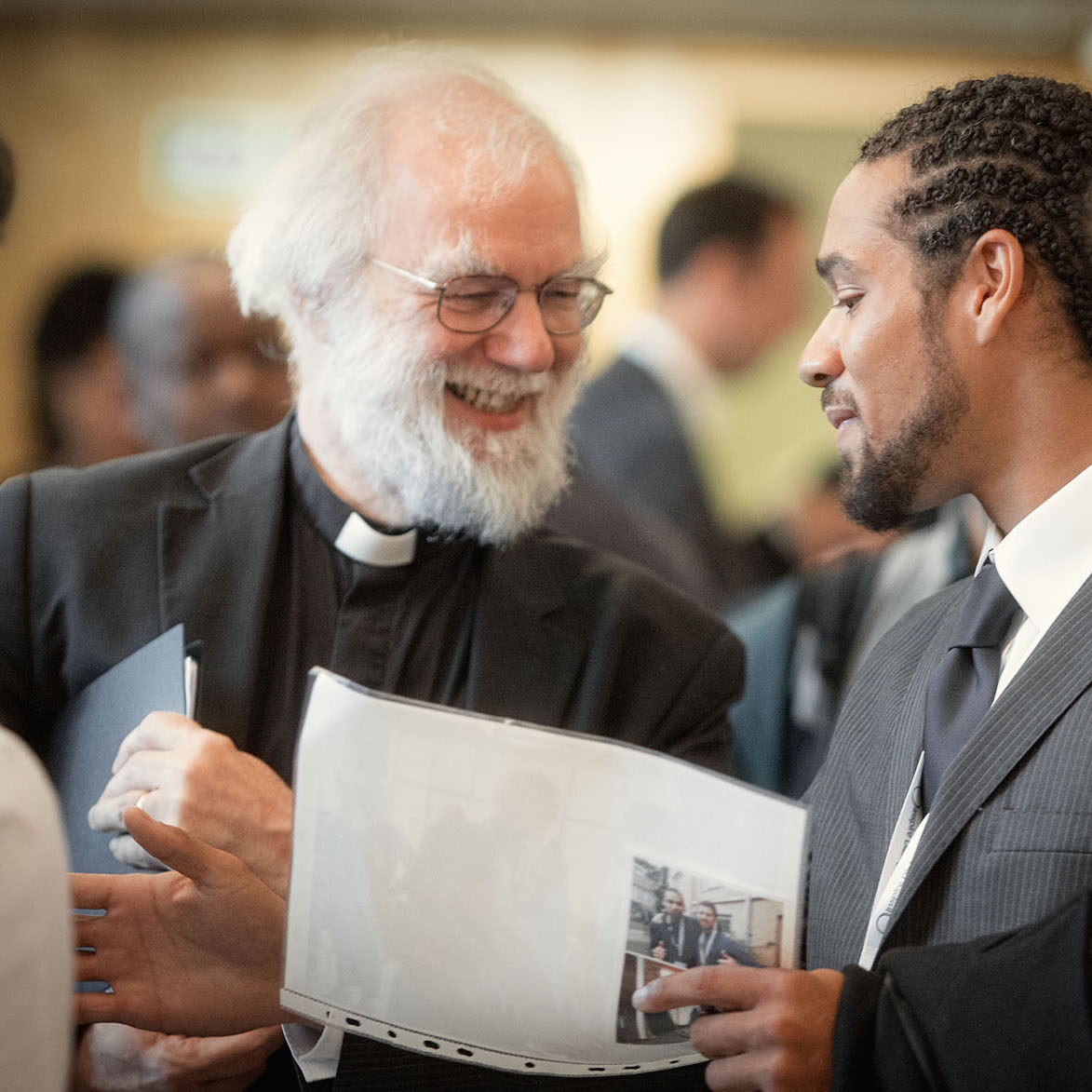
One of the things that has struck me from today is the overlap between the presentations from all the different groups. Certain things have come up in every presentation – to do with connectedness, to do with education, to do with technology, in one way or another. I think we need to bear in mind that what we have been discussing today is an interconnected set of questions and challenges.
Another observation is the need to take the amount of time that is necessary. We heard, for example, about the lack of time sometimes in educational contexts to really attend to people and draw them out, so that we find out what they need and what they need to be doing, hearing or saying. We have heard about the time it takes for genuine reconciliation to bed in between societies – we hope very much that we are not on the verge of another Thirty Years, but who knows? The problem is that we live in a society where taking time is not very popular, where we like fast food and fast results. Fast food, as we have discovered, has all sorts of problems attached to it, and fast results have exactly the same consequences. So we have quite a difficult balance to find between the sense of urgency, which certainly ought to be in our minds and hearts, and the sense that we have to learn how to take as much time as something takes. Often we want quick results just to feel better, just as we want fast food just to feel full – and neither of them works. So we need to think about taking the right kind of time.
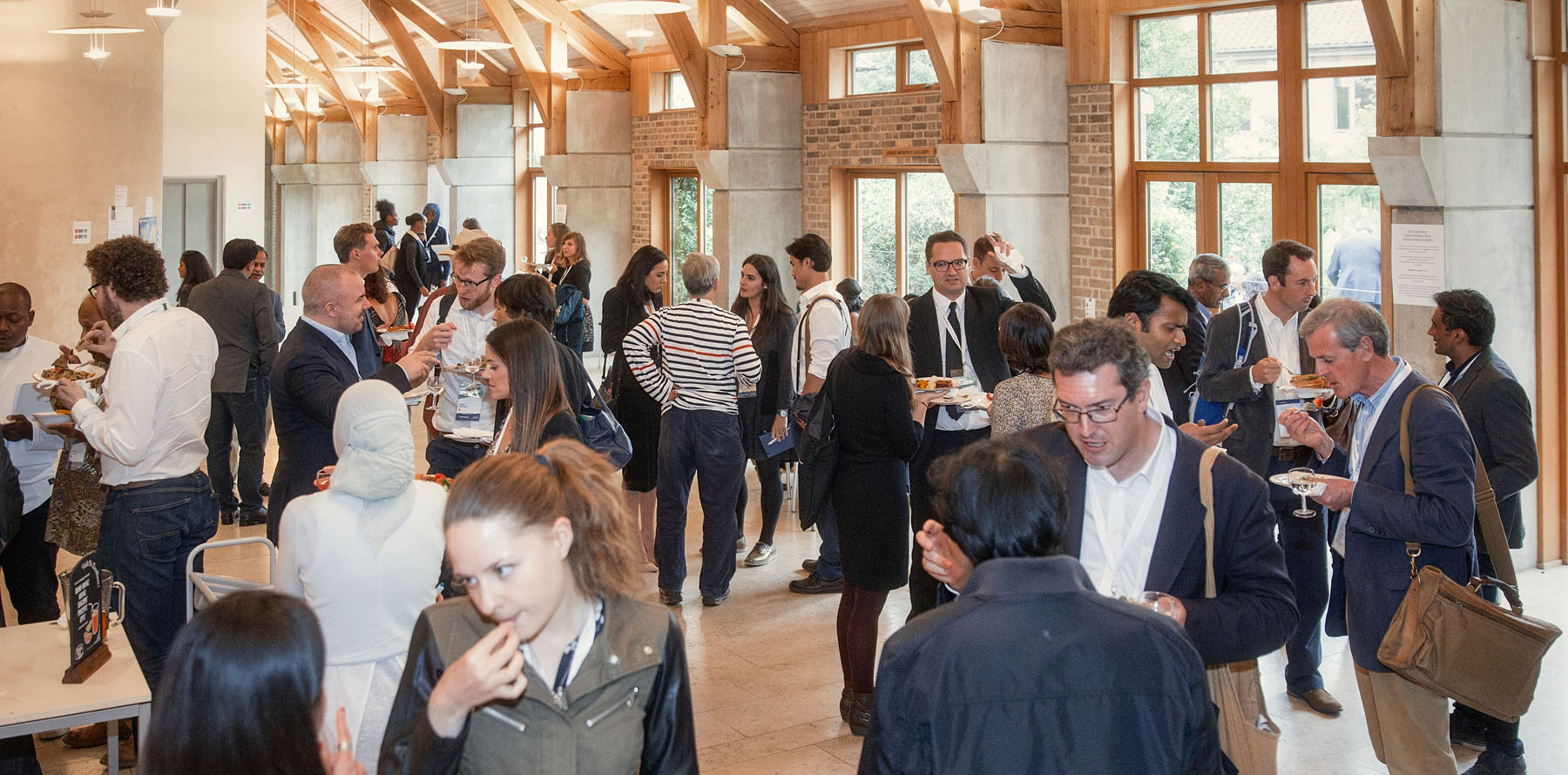
Secondly, another thing that came through for me is that the responsibility we have is for the responsibility of others. We are responsible for helping others grow into their humanity in their fullness; we are not responsible for solving all their problems. This has come through the discussion in so many different ways, and is central to the practical projects which we hope will come out of this dialogue.
There are two long-term questions that seemed to come up. Firstly concerning freedom: we think we can solve our problems by law, but they can in fact only be solved by culture and communication. Law very often is saying, in the great words of Homer Simpson: “Why can’t someone else do it?” – which is taken from an episode where he ran for public office on this slogan. But it is the opposite of what we are trying to do here. If we try to solve all our problems through law, then we can be giving ourselves a let-out clause for our own responsibility and the changing of culture that will actually shift things. Law has its place, and I could not agree more about the need for absolutely crystal-clear legal protections, legal equalities, and so on, but that does not solve the problems at once.
The second dimension of this is the question: what are the institutions in our society that are independent enough, courageous enough, resilient enough, to push us beyond short-termism in order to keep major issues before the eyes of the public over a long period? At present, our news cycle is dominated by short-term concerns and our planning is dominated by short-term concerns. We need institutions committed to long-term, independent, creative thinking and response. So I would say that the health of our institutions – research institutions, reporting institutions, educational institutions – is part of our agenda in these Dialogues.
Running through so much of the discussion today has been the importance of art, drama and imagination. One of the great philosophers of the last century said: we think we can solve our problems by will, when we need to solve them by imagination. Lively cultural and artistic life is not the icing on the cake – an optional extra: it is part of the air we need to breathe to make a difference. To be able to imagine that things don’t have to be as they are is perhaps one of the most important things that human beings ever do.
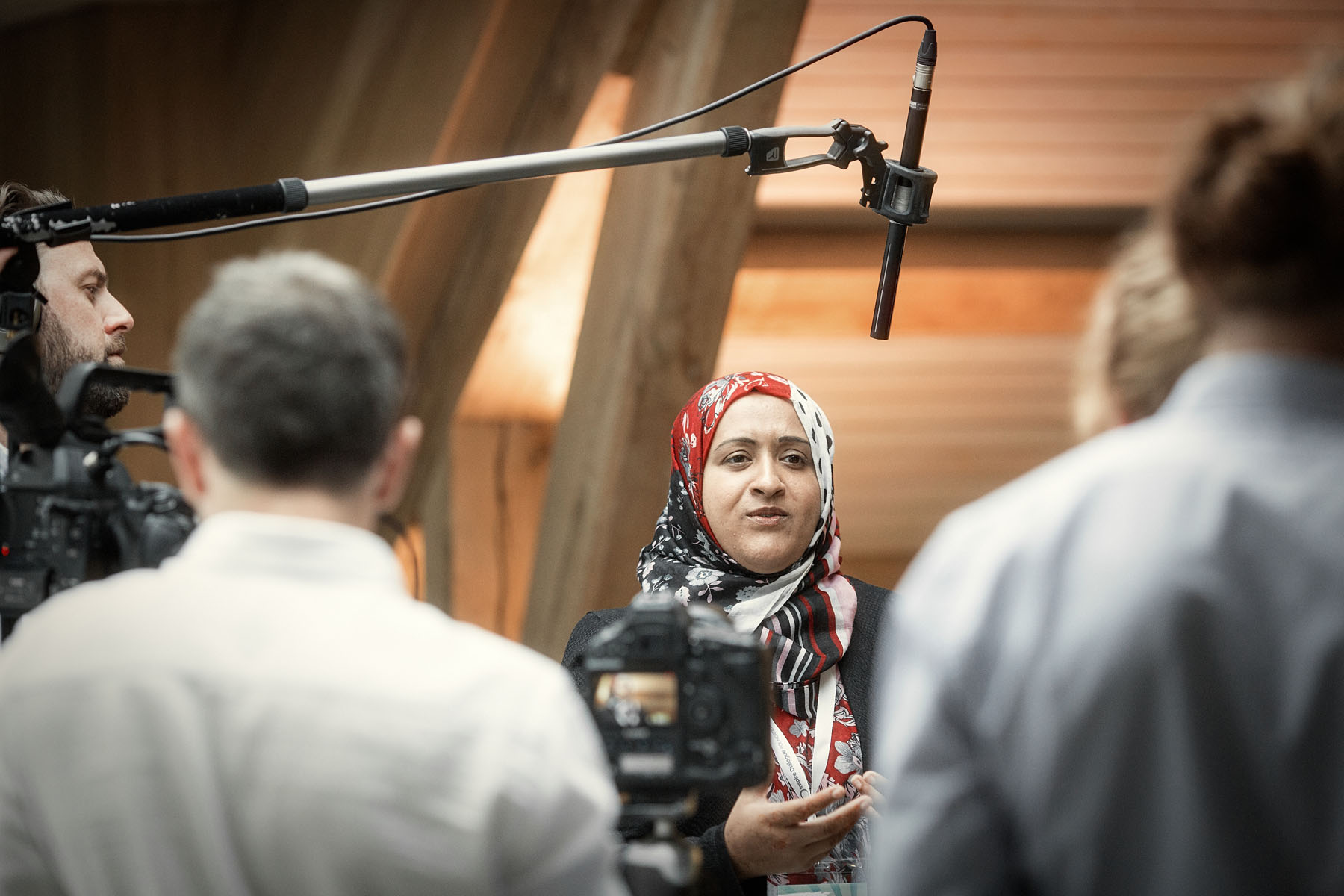
And lastly: empathy has come up again and again. Not just as an exercise in virtual reality, but the phrase that came up was about knowledge and feeling. Empathy is not just about trying to conscript other peoples’ interesting experiences to make your own life more interesting: it is having a real sense of connectedness with someone else’s experience, and knowing that your own experience is affected by it in the long run; that you are less of a person if someone else is less of a person. And that involves not just trying to know other people, but also letting ourselves be known – knowing how we are seen and how we are experienced by others. So the issue of vulnerability comes in. So many people, especially in the western world, have gone around in the last couple of decades trying to sort out the problems of other people and other cultures in the world, with very little idea of how they are seen – and the results have not been very impressive.
But knowing how we are seen is quite a risky business. We talk about risk and how to avoid it, rather than asking about what enables us to take risks – and the answer to that is of course trust. We can try and avoid risk, or else we can ask: what is it that helps us bear it, given that we cannot avoid it? And this means the building up of trust.
Thumbnail photograph by Brian from Toronto, Canada (Archbishop of Canterbury) [CC BY-SA 2.0 (http://creativecommons.org/licenses/by-sa/2.0)], via Wikimedia Commons
@Beshara_Mag








Inspire Dialogue Introductions: Lord Rowan Williams
Master of Magdalene College, Cambridge
“When we go out and encounter others, we are asking for something that is not already there to come alive in us.”
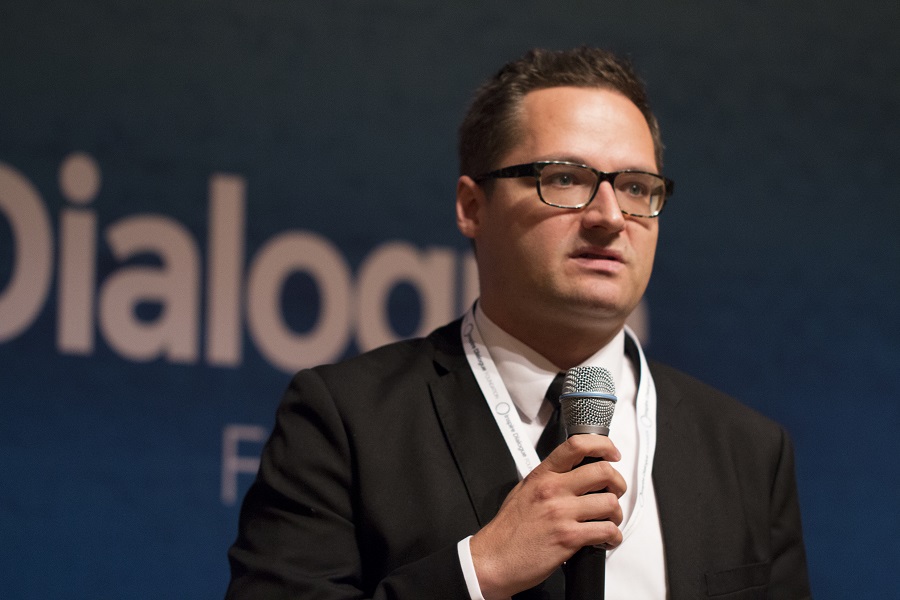
Inspire Dialogue Introductions: Frederick Smets
United Nations High Commission for Refugees (UNHCR)
“Most of these people do not need money, but they need somebody that they can have a conversation with.”
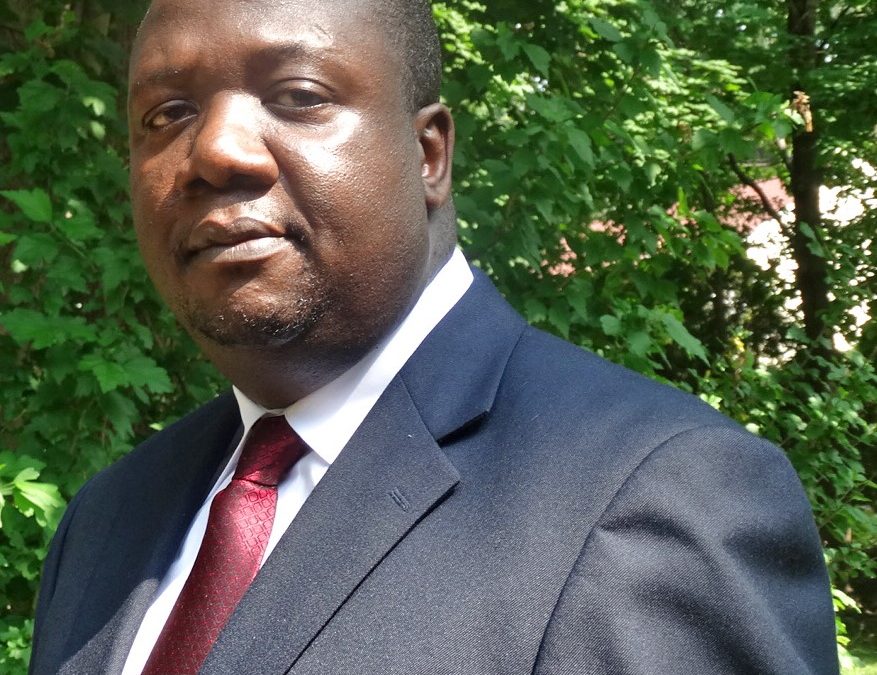
Inspire Dialogue Introductions: Tawanda Mutasah
Senior Director of Law and Policy for Amnesty International
“The stranger or ‘the other’ is a notion that we construct in our quest for a resource. In reality, there is no ‘other’…”
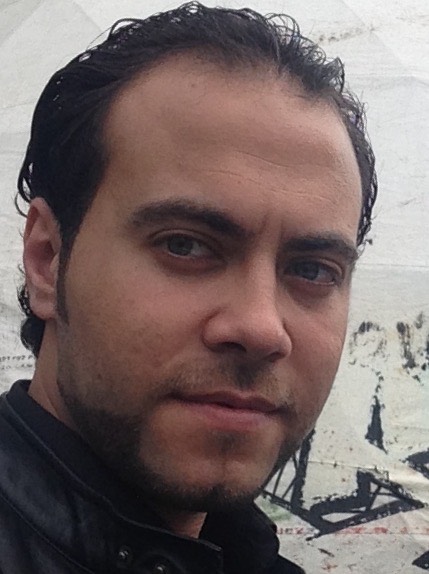
Inspire Dialogue Introductions: Baraa Halabieh
English-Arabic translator
“What makes humanity so beautiful is our multiculturalism… the variety in our colours, cultures and beliefs is what makes us all unique.”
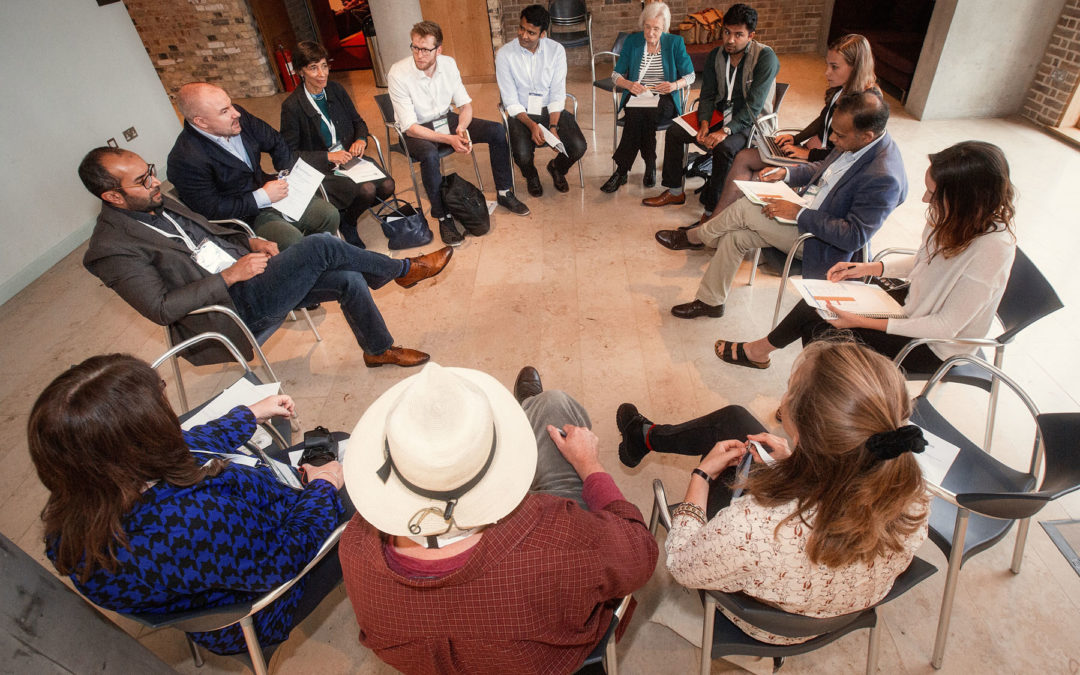
Inspire Dialogue Summaries: The Environment
Bhaskar Vira
“How do we have a dialogue with someone who is fifty years away from inhabiting this earth? This leads to considerations of inter-generational responsibility.”
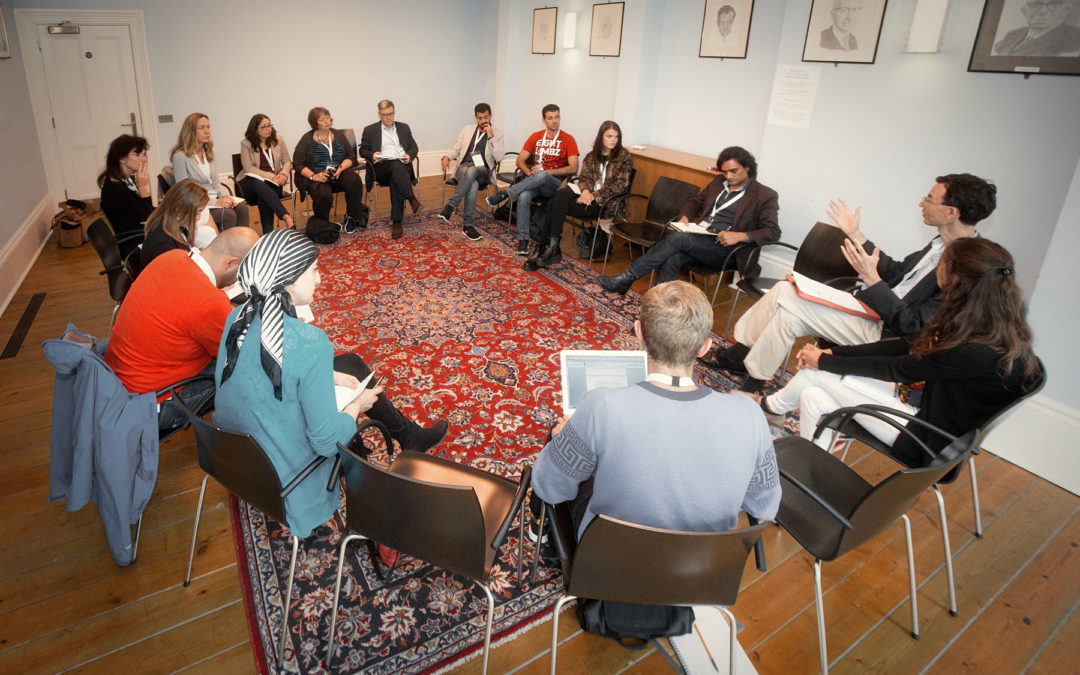
Inspire Dialogue Summaries: Conflict Resolution
Brendan Simms and Alison Liebling
“We were criticised and ridiculed by other professional groups for coming into a maximum security prison with the word ‘trust’ in mind.”
MORE IN BESHARA MAGAZINE:
The Whole Earth is One Family
An interview with the Indian poet-author and diplomat Abhay K.
‘I think it’s fundamentally a matter of faith that if we sit together and debate and discuss, we will be able to resolve our differences.’
Music and the Ineffable Divine
Catherine Coldstream contemplates the sublime nature of music
‘The gift of music comes down to us like rain or dew or inspiration, as beauty, as gratuity. It softens the heart and inclines us to listen to and nurture that love that is beyond all loves, and to accord it the highest place in our lives.’
Jung in the 21st Century
A conversation with Mark Vernon about the heritage and continuing influence of the famous psychotherapist
‘There’s always something in the divine presence that’s striving to be born. Trying to be open and receptive to what that might be matters even more than getting troubled by what is going wrong.’
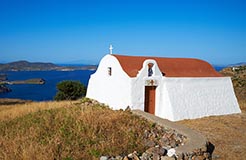
Book Review: ‘An Island to Myself’
Robert Hirshfield talks to the author of a new book by Michael N. McGregor which explores the place of solitude in an active life

Pointing Towards the Void
Farah Ahamed explores the concept of sunn kaall (the primordial void) in the music and poetry of Islam, Hinduism and Christianity
‘Through singing, the human voice becomes an entry point into the underlying mysticism of nature and universal sound. Music as a way of searching for the divine.’
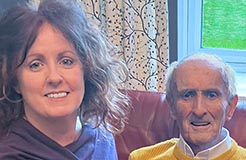
Reflection: Dad’s Transition
Helen Carolan remembers the death of her father, Sean, aged 80, in County Mayo, Ireland, and the traditional wake which followed
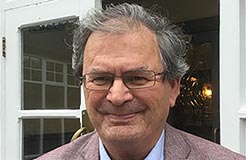
In Memory of Gabriel Rosenstock
Peter Huitson remembers the Irish writer and haikuist who contributed several pieces to Beshara Magazine
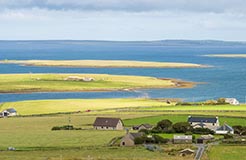
Edwin Muir: The Return to Eden
Andrew Watson contemplates the life and work of the famous Orkney poet who made a journey from childhood trauma to rediscovery of faith and meaning
‘Eden represents an integrated world in which meaning is not severed from experience and one’s place is secure.’
April 2026
Gabriel Rosenstock
Don Quixote in Search of the Holy Land
All You Need is Love: The Lasting Legacy of the Beatles
Jane Clark reflects on a recent book and two documentaries about the Fab Four which argue that they were seminal in making us the people we are today