
Inspire Dialogue Summaries: Conflict Resolution
Brendan Simms, Professor of European International Relations, Director of the Forum on Geopolitics
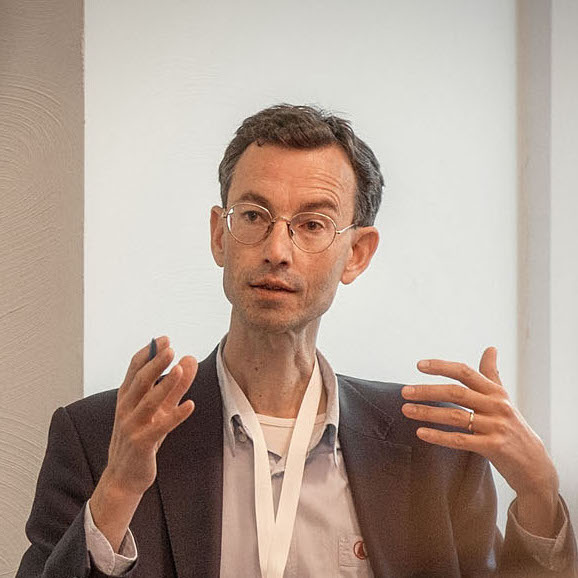
“We were criticised and ridiculed by other professional groups for coming into a maximum security prison with the word ‘trust’ in mind.”
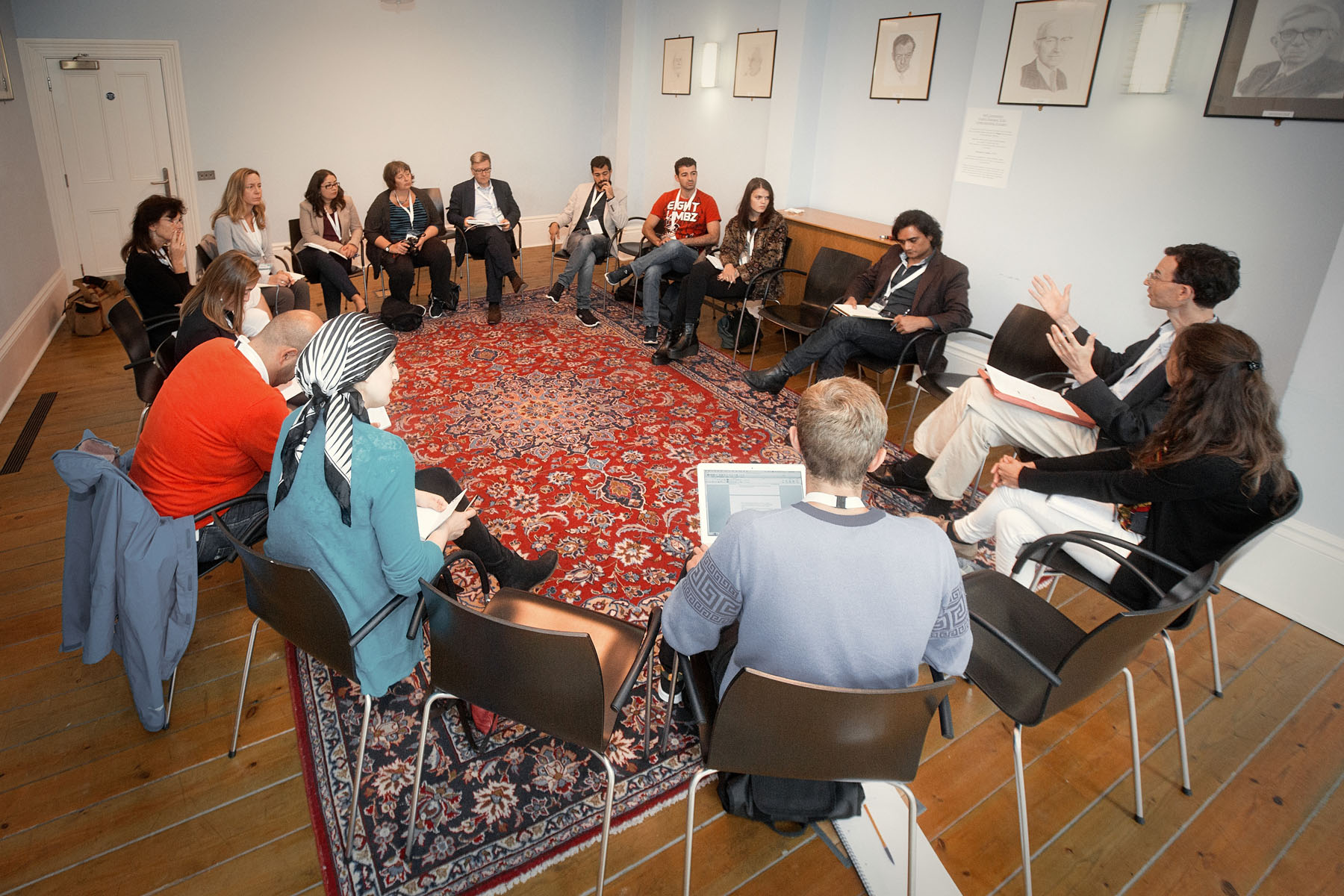
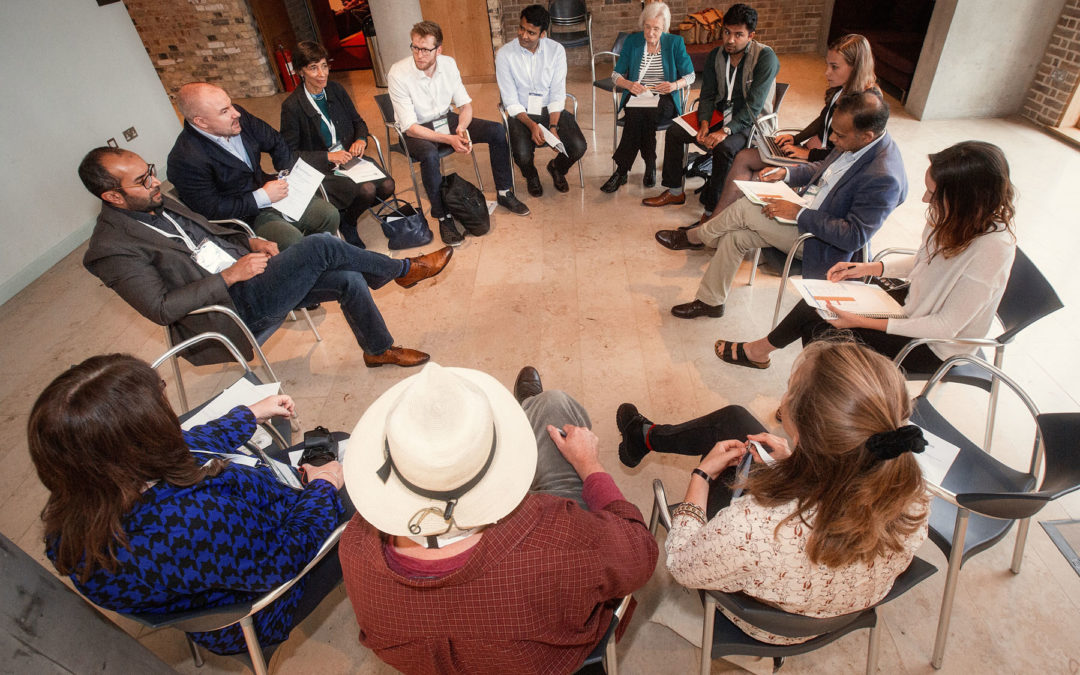
In our group we started with looking at the root of suspicion and conflict, which of course is fear. Our group was very diverse from the point of view of background and age, but also experience. But everyone had had some kind of direct experience of violence and/or alienation, whether it was working in the prison system, experience of armed conflict, the war on drugs, migration, or schools where fear is endemic. And so we asked: how do we get out of this situation? And we agreed that for this we need trust. But how do we establish trust if it has been broken by a bad experience, or how do you establish it in the first place if we are dealing with strangers? Here again, we had many examples of how tensions were overcome based on experience: for example, of knife violence in a school situation, where the situation was defused simply by advancing physically upon a threatening figure and embracing him. Or, at the other extreme, governmental programmes to integrate groups and reduce barriers in that way.
One of the points that was made is that in order to do this you have to show vulnerability on your own side, in that you have to be able to let your guard down. In the example that was given of the knife attack, this is obvious, but we wondered whether there was some possibility of scaling this up from individuals to states and organisations with a view to better conflict resolution.
The other thing I want to highlight is the matter of timing with both conflict resolution and trust building. If you take the example that I mentioned in my introduction this morning – that of the Thirty Years War in Europe which culminated in the Westphalia Agreement – it is not very encouraging because they had to wait thirty years until everyone was exhausted. The Northern Ireland troubles also lasted decades. And so we wondered whether there was some way of kick-starting the peace process earlier, so that we wouldn’t have to wait until everyone is exhausted – as in, say, the Israel–Palestine conflict. We did not have a particular model about how that could be done, but the question was asked.
@Beshara_Mag








Alison Liebling, Professor of Criminology, University of Cambridge
I have been delighted by the conversation about trust today, because of my involvement with a project at a maximum-security prison. I originally studied this prison in the 1990s, but I was asked to go back to it twelve years later because of concerns about radicalisation and risk. We found that the whole place had become paralysed by distrust; in a very short amount of time the prison had changed from being a place where guarded but very real forms of trust were flowing between staff and prisoners, and among prisoners, to it being a place where everyone was afraid of everybody else. Staff no longer recognised prisoners, and the information flow was no longer going on in the wings where the prisoners were living, but off the wings in security information reports.
So we decided to go and study trust. Everyone wanted us to study risk, but we resisted that and went to other maximum security prisons to study trust. We were criticised and ridiculed by other professional groups for coming into a maximum security prison with the word ‘trust’ in mind. But in fact, almost before we arrived at the prison some of the prisoners were waiting for us, excited that we were this important group from Cambridge who were willing to come and talk to them about trust, because nobody else would use the word. And the project has been really valuable: we have learnt all sorts of things about how destructive a lack of trust can be, and how a little bit of trust can build relationships and reduce violence. The prisoners themselves have found it so important to have conversations about trust that they have decided to carry on doing it without us, and they now have a ‘trust committee’. They write us letters; they invite us to their meetings; they invite people from different faith backgrounds to talk to them. The whole point of the dialogue is for them to get to know each other and build trust between themselves. We have seen it make a massive difference not only to the life in the institution, but also to all the individuals living within it.
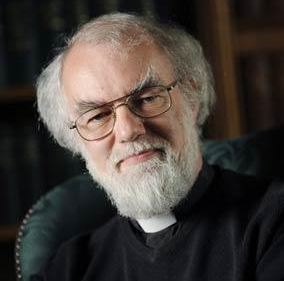
Inspire Dialogue Introductions: Lord Rowan Williams
Master of Magdalene College, Cambridge
“When we go out and encounter others, we are asking for something that is not already there to come alive in us.”
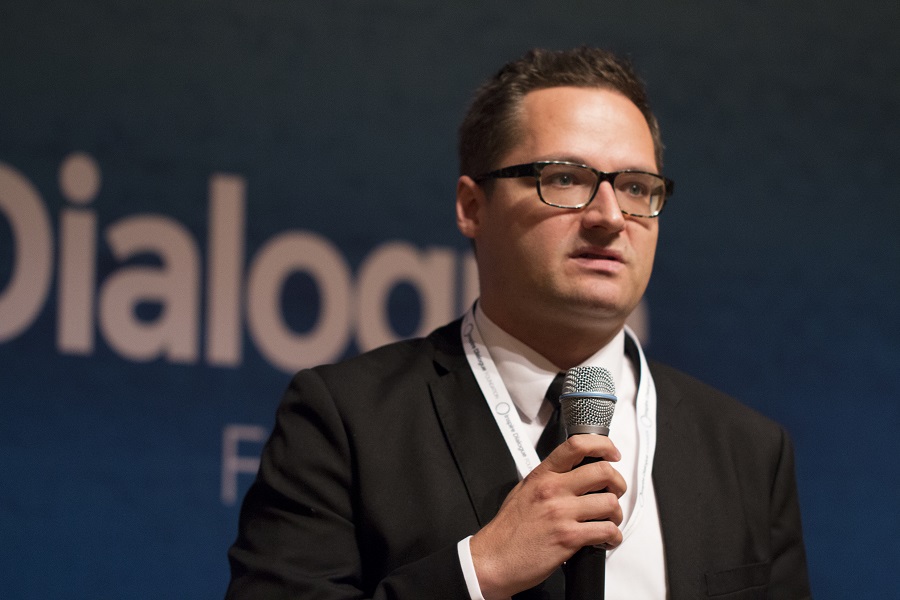
Inspire Dialogue Introductions: Frederick Smets
United Nations High Commission for Refugees (UNHCR)
“Most of these people do not need money, but they need somebody that they can have a conversation with.”
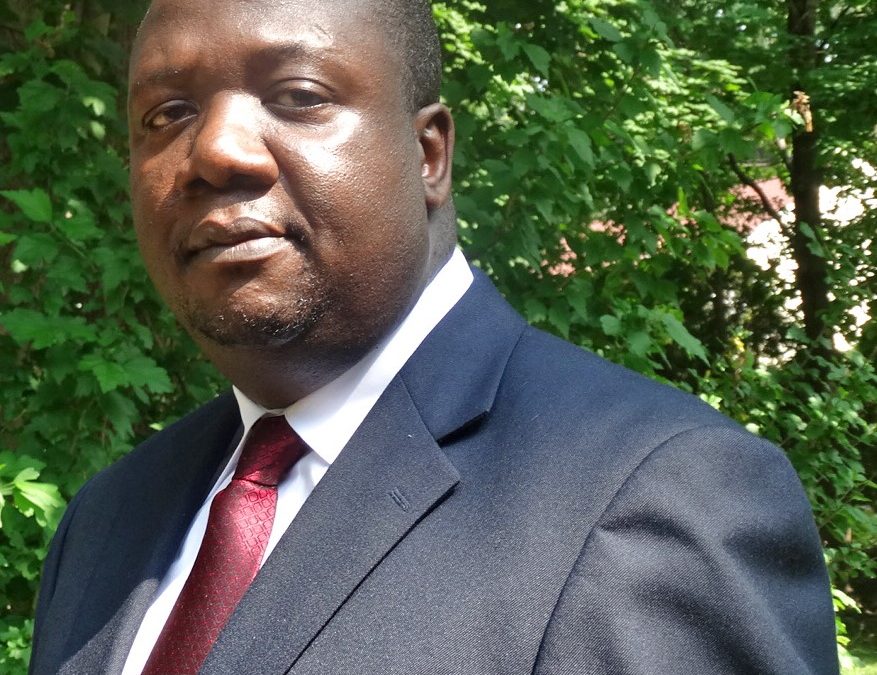
Inspire Dialogue Introductions: Tawanda Mutasah
Senior Director of Law and Policy for Amnesty International
“The stranger or ‘the other’ is a notion that we construct in our quest for a resource. In reality, there is no ‘other’…”
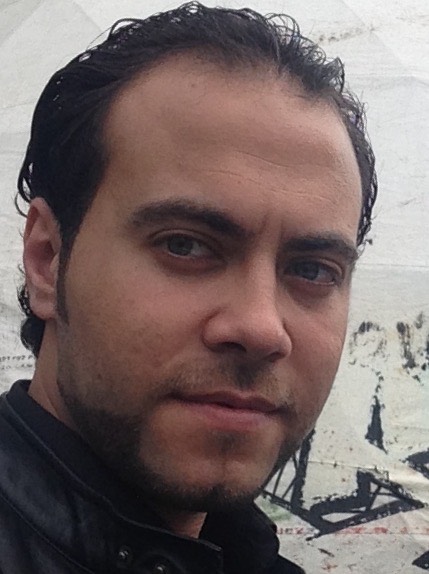
Inspire Dialogue Introductions: Baraa Halabieh
English-Arabic translator
“What makes humanity so beautiful is our multiculturalism… the variety in our colours, cultures and beliefs is what makes us all unique.”
Inspire Dialogue Summaries: The Environment
Bhaskar Vira
“How do we have a dialogue with someone who is fifty years away from inhabiting this earth? This leads to considerations of inter-generational responsibility.”
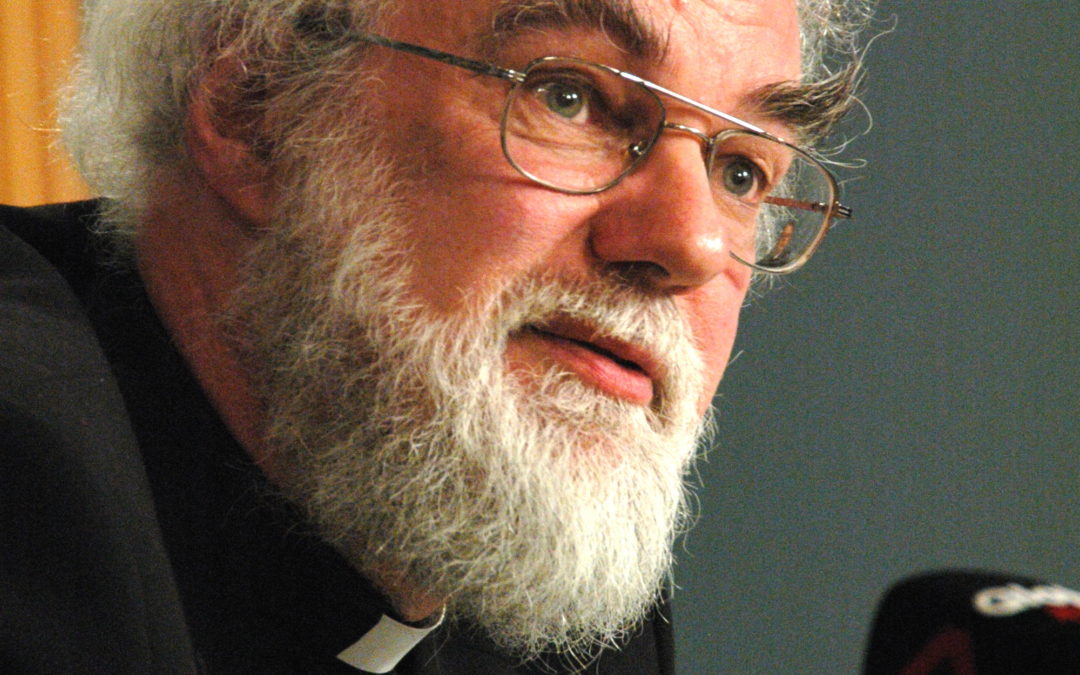
Inspire Dialogue: Final Summary
Lord Rowan Williams
“To be able to imagine that things don’t have to be as they are is perhaps one of the most important things that human beings ever do.”
MORE IN BESHARA MAGAZINE:
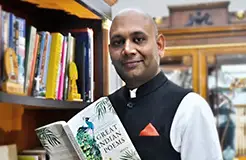
The Whole Earth is One Family
An interview with the Indian poet-author and diplomat Abhay K.
‘I think it’s fundamentally a matter of faith that if we sit together and debate and discuss, we will be able to resolve our differences.’

Music and the Ineffable Divine
Catherine Coldstream contemplates the sublime nature of music
‘The gift of music comes down to us like rain or dew or inspiration, as beauty, as gratuity. It softens the heart and inclines us to listen to and nurture that love that is beyond all loves, and to accord it the highest place in our lives.’
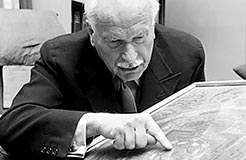
Jung in the 21st Century
A conversation with Mark Vernon about the heritage and continuing influence of the famous psychotherapist
‘There’s always something in the divine presence that’s striving to be born. Trying to be open and receptive to what that might be matters even more than getting troubled by what is going wrong.’
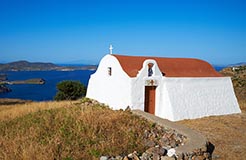
Book Review: ‘An Island to Myself’
Robert Hirshfield talks to the author of a new book by Michael N. McGregor which explores the place of solitude in an active life

Pointing Towards the Void
Farah Ahamed explores the concept of sunn kaall (the primordial void) in the music and poetry of Islam, Hinduism and Christianity
‘Through singing, the human voice becomes an entry point into the underlying mysticism of nature and universal sound. Music as a way of searching for the divine.’
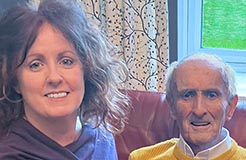
Reflection: Dad’s Transition
Helen Carolan remembers the death of her father, Sean, aged 80, in County Mayo, Ireland, and the traditional wake which followed
In Memory of Gabriel Rosenstock
Peter Huitson remembers the Irish writer and haikuist who contributed several pieces to Beshara Magazine
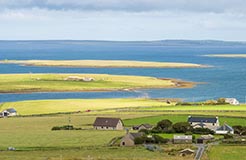
Edwin Muir: The Return to Eden
Andrew Watson contemplates the life and work of the famous Orkney poet who made a journey from childhood trauma to rediscovery of faith and meaning
‘Eden represents an integrated world in which meaning is not severed from experience and one’s place is secure.’
April 2026
Gabriel Rosenstock
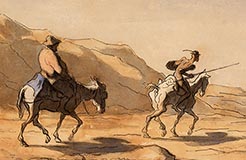
Don Quixote in Search of the Holy Land
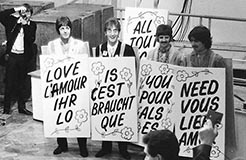
All You Need is Love: The Lasting Legacy of the Beatles
Jane Clark reflects on a recent book and two documentaries about the Fab Four which argue that they were seminal in making us the people we are today