
Inspire Dialogue Introductions: Baraa Halabieh
English/Arabic translator
“What makes humanity so beautiful is our multiculturalism… the variety in our colours, cultures and beliefs is what makes us all unique.”
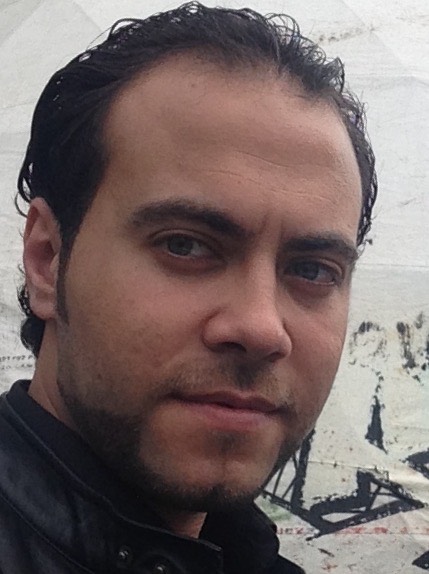
As an asylum-seeker in the UK, I am one of the ‘strangers’ coming here from the Middle-East. So the question that I ask is: how can we reduce the fear and suspicion that all of us have about strangers? I think the first thing is that we should all start asking ourselves questions. What do we know about these people? Why are they coming here? What are they looking for? What do we know about their culture and their history? Are there any points of commonality between our history and theirs? Many people, when trying to find answers, go to the media, but the media focus on just a part of the truth to support their own agendas. But when we start researching by ourselves, we discover truths which can be unexpected, or even shocking. For instance, we might find out that the patron saint of England, St George, was born in Turkey to a Syrian mother. Another fact, which I discovered only recently, is that the Roman Empire used 500 archers from my home city in Syria, Hama, to protect Hadrian’s Wall in England.
The second point is that I believe we need to start conversations. In every city, in every community, there is a stranger, someone whom we could look at as ‘another’, and this is the best way to break the ice. When you start a conversation, within the first five minutes you quickly discover that this person is bright, talented, educated, just like you. We all have the same dreams, the same fears – and one of the fears we as asylum-seekers have is not being accepted here and of being judged for the actions of a minority, in which we did not participate.
What makes humanity so beautiful is our multiculturalism. There is no pure race: the variety in our colours, cultures and beliefs is what makes us all unique. There is so much more which unites us than divides us.
@Beshara_Mag








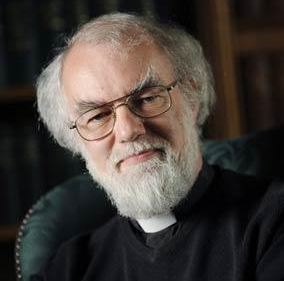
Inspire Dialogue Introductions: Lord Rowan Williams
Master of Magdalene College, Cambridge
“When we go out and encounter others, we are asking for something that is not already there to come alive in us.”
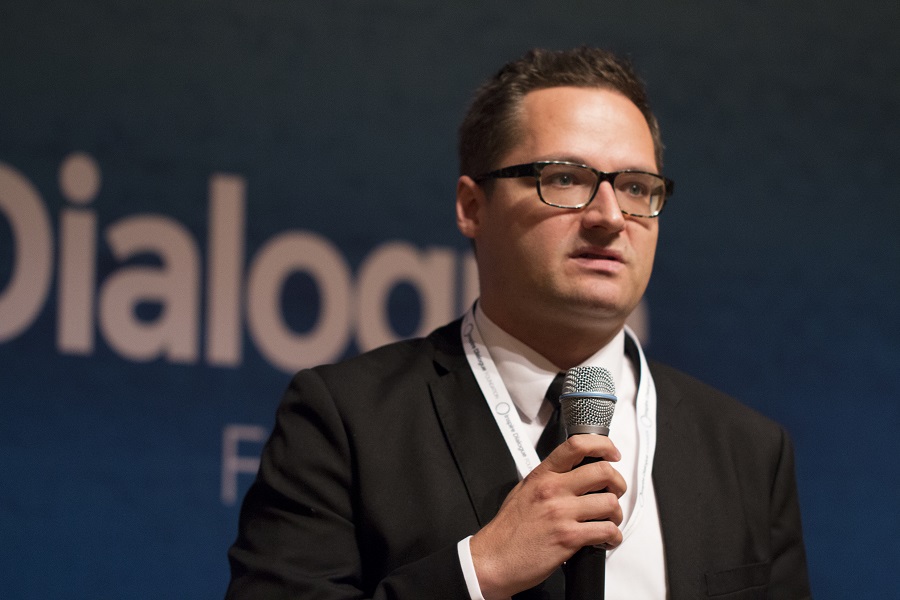
Inspire Dialogue Introductions: Frederick Smets
United Nations High Commission for Refugees (UNHCR)
“Most of these people do not need money, but they need somebody that they can have a conversation with.”
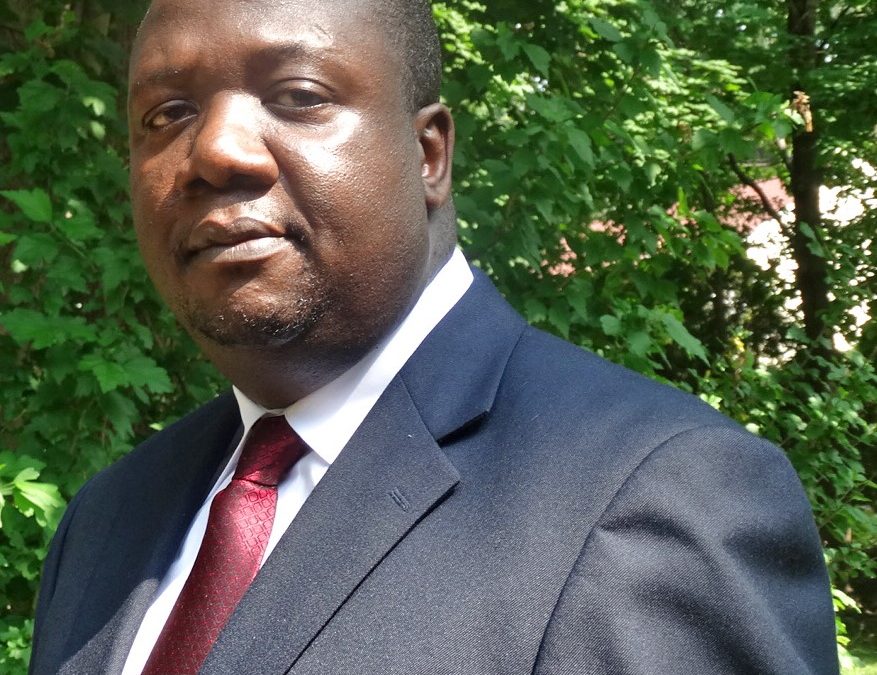
Inspire Dialogue Introductions: Tawanda Mutasah
Senior Director of Law and Policy for Amnesty International
“The stranger or ‘the other’ is a notion that we construct in our quest for a resource. In reality, there is no ‘other’…”
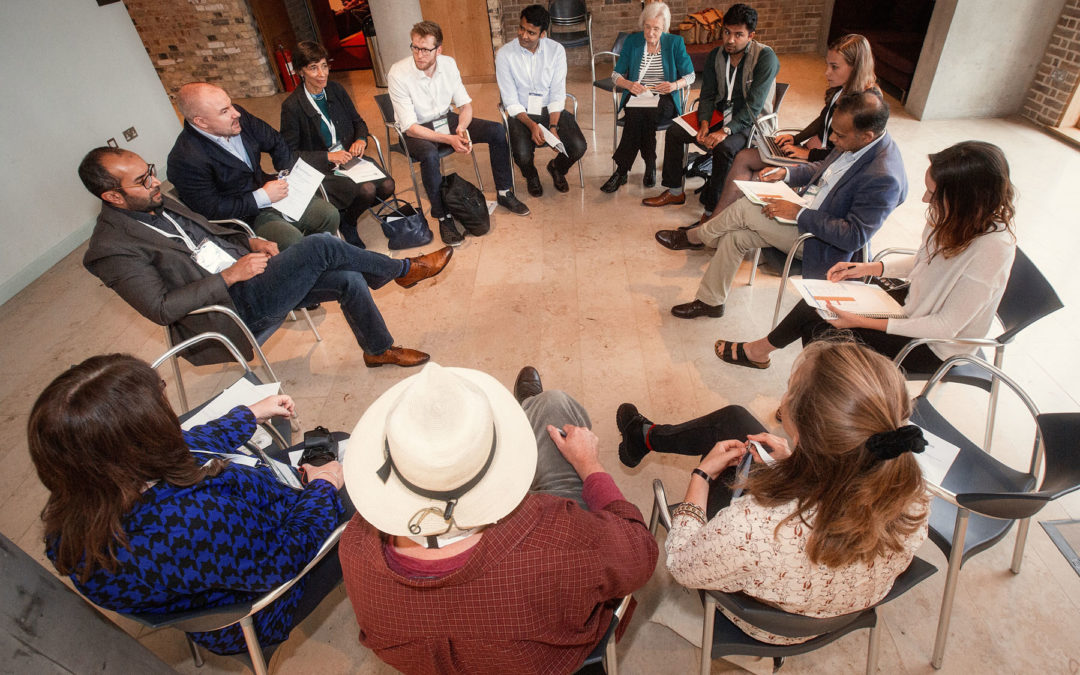
Inspire Dialogue Summaries: The Environment
Bhaskar Vira
“How do we have a dialogue with someone who is fifty years away from inhabiting this earth? This leads to considerations of inter-generational responsibility.”
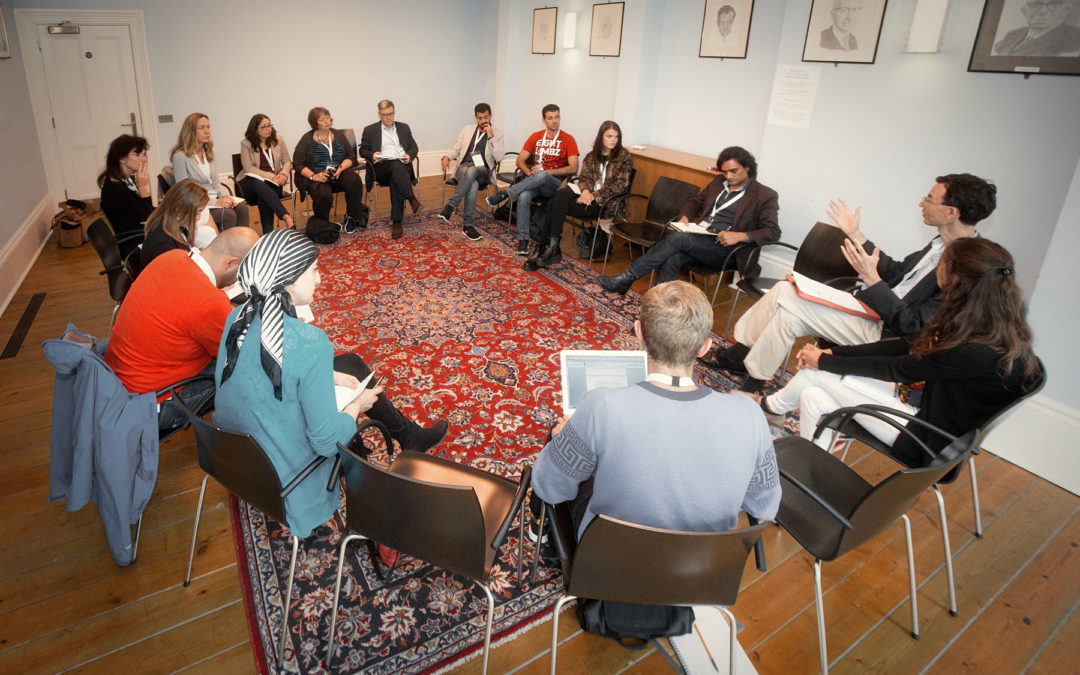
Inspire Dialogue Summaries: Conflict Resolution
Brendan Simms and Alison Liebling
“We were criticised and ridiculed by other professional groups for coming into a maximum security prison with the word ‘trust’ in mind.”
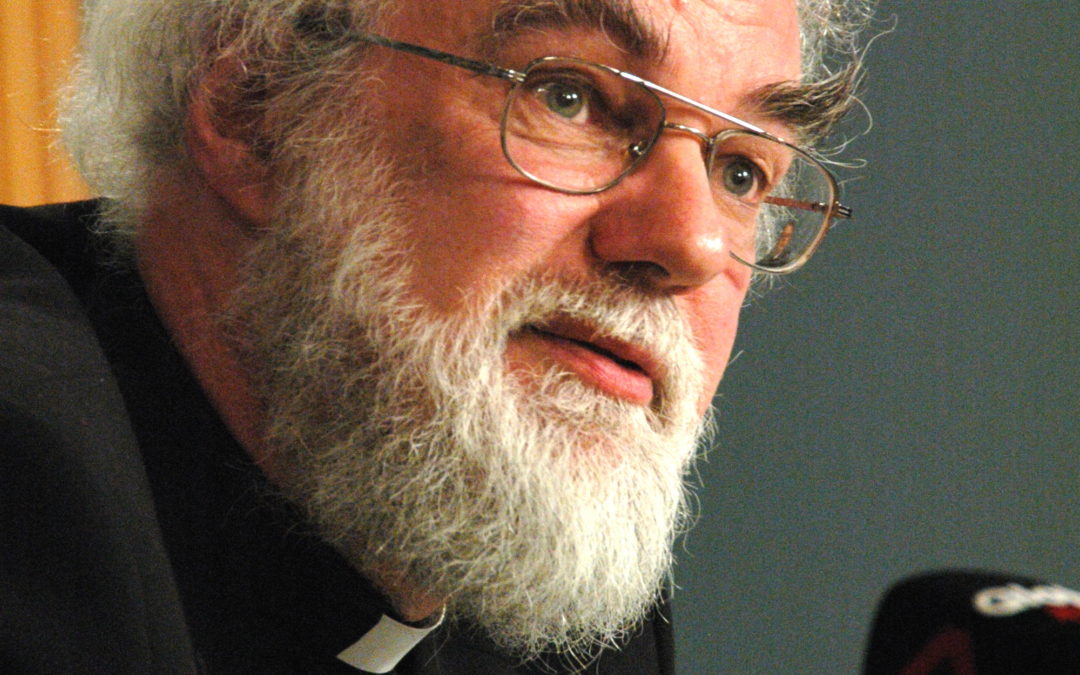
Inspire Dialogue: Final Summary
Lord Rowan Williams
“To be able to imagine that things don’t have to be as they are is perhaps one of the most important things that human beings ever do.”
MORE IN BESHARA MAGAZINE:
The Whole Earth is One Family
An interview with the Indian poet-author and diplomat Abhay K.
‘I think it’s fundamentally a matter of faith that if we sit together and debate and discuss, we will be able to resolve our differences.’
Music and the Ineffable Divine
Catherine Coldstream contemplates the sublime nature of music
‘The gift of music comes down to us like rain or dew or inspiration, as beauty, as gratuity. It softens the heart and inclines us to listen to and nurture that love that is beyond all loves, and to accord it the highest place in our lives.’
Jung in the 21st Century
A conversation with Mark Vernon about the heritage and continuing influence of the famous psychotherapist
‘There’s always something in the divine presence that’s striving to be born. Trying to be open and receptive to what that might be matters even more than getting troubled by what is going wrong.’
Book Review: ‘An Island to Myself’
Robert Hirshfield talks to the author of a new book by Michael N. McGregor which explores the place of solitude in an active life

Pointing Towards the Void
Farah Ahamed explores the concept of sunn kaall (the primordial void) in the music and poetry of Islam, Hinduism and Christianity
‘Through singing, the human voice becomes an entry point into the underlying mysticism of nature and universal sound. Music as a way of searching for the divine.’
Reflection: Dad’s Transition
Helen Carolan remembers the death of her father, Sean, aged 80, in County Mayo, Ireland, and the traditional wake which followed
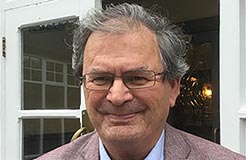
In Memory of Gabriel Rosenstock
Peter Huitson remembers the Irish writer and haikuist who contributed several pieces to Beshara Magazine
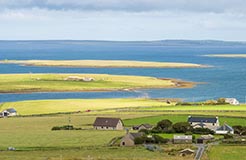
Edwin Muir: The Return to Eden
Andrew Watson contemplates the life and work of the famous Orkney poet who made a journey from childhood trauma to rediscovery of faith and meaning
‘Eden represents an integrated world in which meaning is not severed from experience and one’s place is secure.’
April 2026
Gabriel Rosenstock
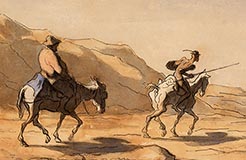
Don Quixote in Search of the Holy Land
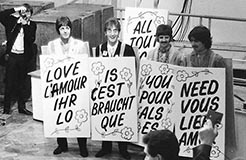
All You Need is Love: The Lasting Legacy of the Beatles
Jane Clark reflects on a recent book and two documentaries about the Fab Four which argue that they were seminal in making us the people we are today